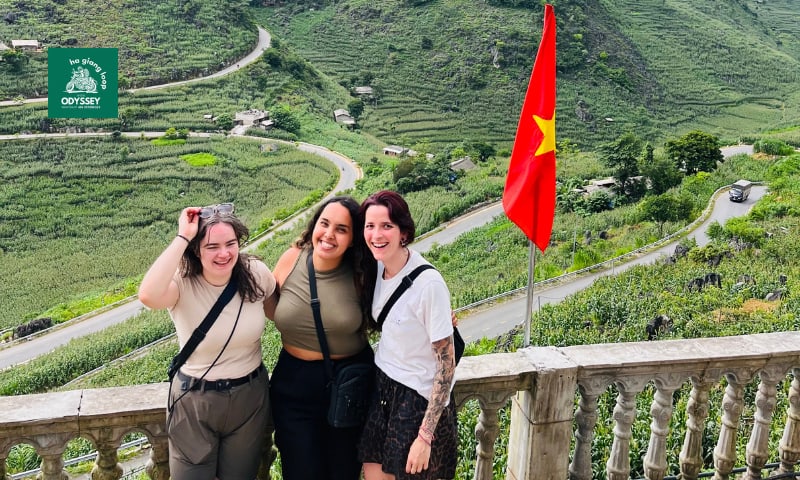
Lung Cu Flag Tower Ha Giang Loop: Is It Worth the Detour?
Visit Lung Cu Flag Tower Ha Giang Loop: Vietnam’s northernmost point with panoramic views. Get essential travel tips, motorbiking routes, and ticket info!
Adding Lung Cu Flag Tower Ha Giang Loop itinerary usually means leaving the most direct route and spending extra time in the far north of Dong Van. The question is whether that detour is worth it when your trip may already include mountain passes, villages and the Nho Que River. With Odyssey, the priority is not simply collecting stops but allowing enough time to experience each part of Ha Giang properly. This guide explains what Lung Cu adds to the Loop, how much time to allow and when it makes sense to include it.
Is Lung Cu Flag Tower Worth the Detour on the Ha Giang Loop?
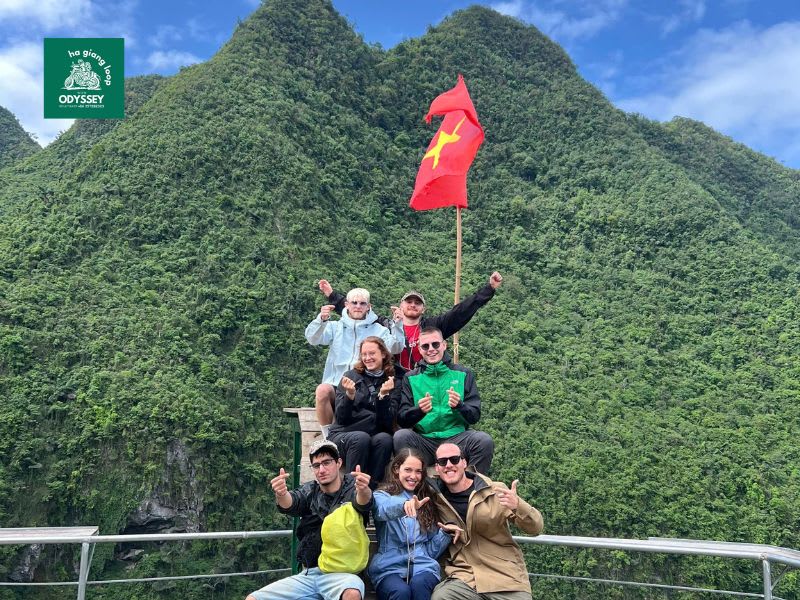
For most travellers with enough time around Dong Van, the answer is yes. The Lung Cu Flag Tower Ha Giang Loop detour offers a different experience from the dramatic mountain roads that define much of the journey.
Rather than being another roadside viewpoint, Lung Cu gives you a reason to travel deeper into northern Ha Giang. The route itself is part of the experience, passing limestone mountains, small settlements and open valleys before reaching the flag tower area.
However, Lung Cu should not automatically be treated as a compulsory stop. Its value depends on how many days you have, your preferred pace and what else you want to experience.
lung cu flag tower ha giang loop 1
What Makes Lung Cu Worth Visiting?
The appeal of Lung Cu comes from a combination of location, landscape and cultural significance. It feels noticeably different from simply stopping at another mountain pass.
A different view of northern Ha Giang: From the Lung Cu area, the landscape opens across mountains, valleys, villages and agricultural land close to Vietnam's northern border.
A destination rather than a roadside stop: Reaching the tower requires intentionally leaving the main direction of travel. This gives the visit more structure than viewpoints where you simply stop for ten minutes beside the road.
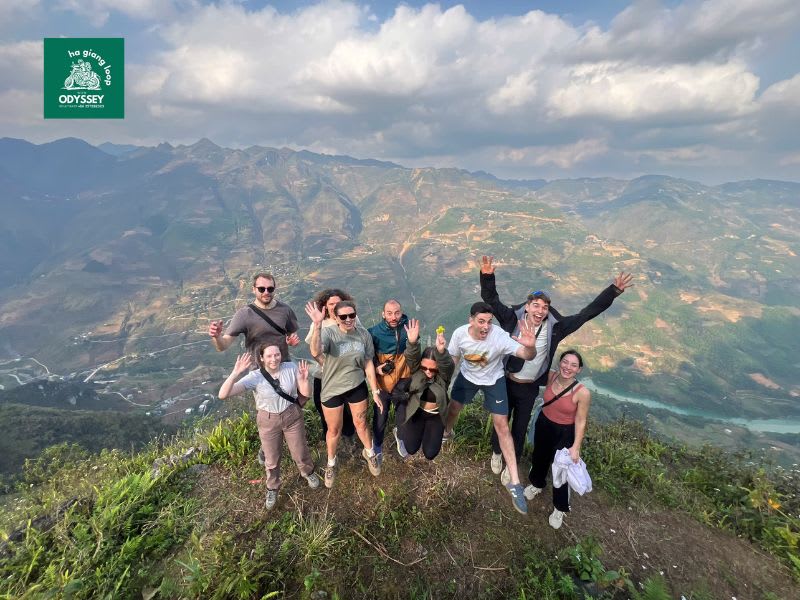
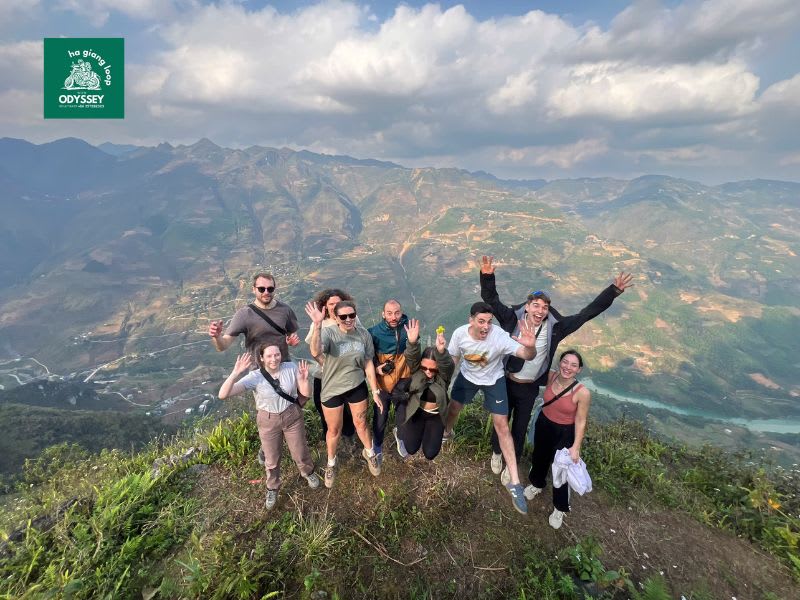
Wide panoramic views: After reaching the upper area, you can look across the surrounding Dong Van Karst Plateau landscape. Conditions vary, but clear days provide extensive views across the valleys below.
A chance to explore beyond the tower: Villages and rural landscapes around Lung Cu can make the detour more rewarding when your schedule allows additional stops rather than immediately returning to Dong Van. For photographers and travellers interested in landscapes, the Lung Cu Flag Tower Ha Giang Loop section can therefore become more than a quick landmark visit. lung cu flag tower ha giang loop
How Much Time Does the Lung Cu Detour Add?
Time is the main factor to consider before adding Lung Cu. Vietnam Tourism presents the journey to Lung Cu as a detour of roughly three hours within a Dong Van-area itinerary, but the actual time you need depends heavily on your riding pace and stops.
You should account for more than the motorbike journey itself. Parking, walking toward the tower, climbing, taking photos and stopping for views all extend the visit.
A comfortable schedule should therefore leave several hours rather than trying to squeeze Lung Cu between too many other attractions.
This matters especially on the Lung Cu Flag Tower Ha Giang Loop route because distances in Ha Giang can be misleading. A relatively short distance on the map may take longer than expected due to bends, gradients, traffic, road conditions and frequent scenic stops.
If your day already includes several major attractions, adding Lung Cu may turn a relaxed journey into a schedule dominated by riding.
lung cu flag tower ha giang loop 2
Who Should Add Lung Cu to Their Ha Giang Loop?
Lung Cu is particularly suitable for travellers who want to explore northern Ha Giang rather than follow only the shortest Loop route.
Consider including it if you:
Enjoy panoramic viewpoints: Lung Cu offers elevated views that contrast with the enclosed valleys and canyon landscapes elsewhere on the Loop.
Prefer photography and slower travel: Allowing time around Lung Cu gives you more opportunities to stop along the road instead of treating the tower as a quick check-in point.
Have three or four days available: A well-planned multi-day itinerary gives you more flexibility to include the detour without sacrificing every other stop.
Want to spend more time around Dong Van: Lung Cu works naturally when your itinerary already allows a substantial part of the day for northern Dong Van.
You may choose to skip it if you have an extremely compressed itinerary and would otherwise need to rush Ma Pi Leng Pass, the Nho Que River or other priority stops.
The important point is that a Lung Cu Flag Tower Ha Giang Loop itinerary should be designed around available time, not around adding as many names as possible to a route.
lung cu flag tower ha giang loop 3
How to Reach Lung Cu Flag Tower During the Ha Giang Loop
Lung Cu lies north of Dong Van, making Dong Van the most practical reference point for most Loop itineraries. Travellers commonly approach the area while moving through the northern section of the Dong Van Karst Plateau.
The road toward Lung Cu is not simply a transfer between two towns. Mountain scenery, villages and roadside viewpoints mean many travellers naturally spend longer on this section than navigation apps suggest.
Before deciding where Lung Cu fits, it helps to look at the wider selection of Ha Giang destinations and decide which places genuinely matter to you. Trying to fit every attraction into a short Loop usually reduces the time available at the places you came to see.
A common approach is to visit Lung Cu while based around Dong Van rather than making it a separate long-distance trip from Ha Giang City. This keeps the detour connected to the northern section of the Loop and reduces unnecessary backtracking.
Riding conditions should also influence the plan. Fog, rain or low visibility can make mountain roads slower and may reduce the value of reaching a panoramic viewpoint. A flexible itinerary is therefore more useful than committing to an exact arrival time regardless of conditions.
For Easy Rider passengers, having a local rider also removes the need to focus constantly on navigation and mountain-road decisions. Self-riders should leave additional margin because unfamiliar roads often require a slower pace.
Best Time of Day to Visit Lung Cu Flag Tower
There is no single hour that works perfectly throughout the year. Weather, cloud cover, temperature and the rest of your itinerary are more important than chasing a specific time.
Morning is often practical because it leaves enough daylight to adjust the rest of the day's route. If you spend longer than expected at viewpoints or villages, you still have room in the schedule.
Late afternoon can also offer pleasant conditions, particularly when the midday heat has eased. Vietnam Tourism specifically recommends later afternoon because cooler temperatures can make the climb more comfortable.
However, the Lung Cu Flag Tower Ha Giang Loop detour should never depend on reaching the tower so late that you are forced to ride unfamiliar mountain roads after dark.
Weather matters just as much as timing. Low clouds and fog can reduce visibility across the surrounding valleys. During wet conditions, both the ride and walking sections may also require more time.
For this reason, a guided itinerary with some flexibility is often preferable to an overly precise schedule. If the weather closes in, you can adjust the order of stops rather than forcing a viewpoint visit when there is little to see.
How to Fit Lung Cu Into a 3-Day or 4-Day Ha Giang Loop
Lung Cu can fit into both 3-day and 4-day Ha Giang Loop itineraries, but the amount of time available affects how relaxed the visit feels.
3-day itinerary: Lung Cu is possible, but the day around Dong Van needs clear priorities. Allow enough time for the ride, the climb to the tower and major stops such as Ma Pi Leng Pass without adding too many minor viewpoints.
4-day itinerary: This gives more flexibility for Lung Cu, nearby villages and scenic stops without compressing the rest of the Loop. It is better suited to travellers who prefer photography or a slower pace.
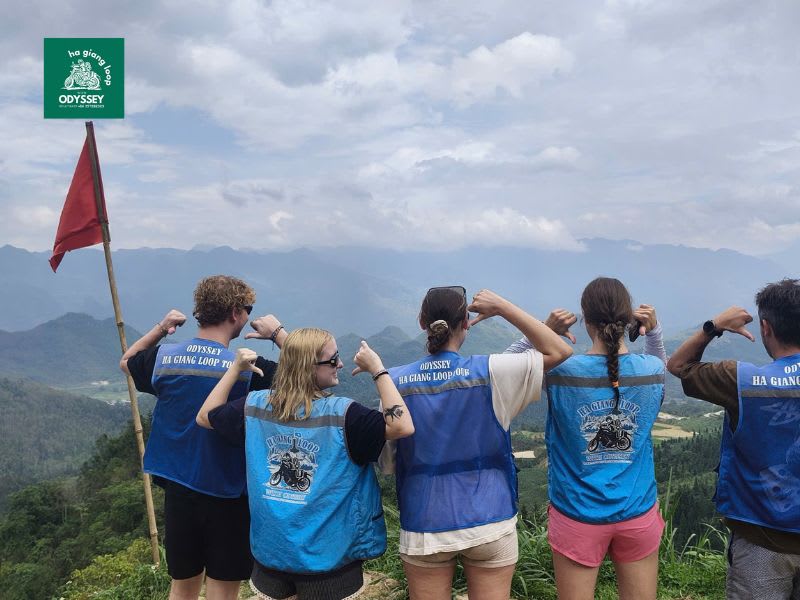
Easy Rider or guided tour: A local rider can adjust the route around weather, road conditions and daylight, making it easier to include Lung Cu without extending the riding day unnecessarily.
If Lung Cu is a priority, plan it as part of the Dong Van section rather than adding it at the last minute.
Should You Include Lung Cu Flag Tower in Your Ha Giang Loop?
The Lung Cu Flag Tower Ha Giang Loop detour is worth considering if you have enough time around Dong Van and want to experience more of Ha Giang's far north. The combination of the ride, elevated scenery and surrounding villages gives this section a character that differs from Ma Pi Leng Pass or the Nho Que River.
It makes the most sense on an itinerary that allows several hours rather than treating Lung Cu as another quick photo stop.
If you only have a very short Loop, prioritise the places that matter most to you instead of forcing Lung Cu into an already crowded schedule. A shorter route with enough time to stop can be more satisfying than a longer list of destinations seen mainly from the motorbike.
For travellers with three or four days, especially those choosing an Easy Rider, small-group or private journey, Lung Cu can fit naturally into the route when the day is planned around realistic riding times.
If you want to include Lung Cu without turning your Ha Giang Loop into a race between stops, contact Odyssey and choose an itinerary that gives northern Ha Giang enough time to be experienced properly.
Experience the Nho Que river boat Ha Giang loop tour through Tu San Canyon. Complete guide to ticket prices, boat wharfs, motorbiking routes, and tips!
Discover the best viewpoints and ride timing for a Ma Pi Leng Pass Ha Giang Loop tour, including Sky Path, Nho Que River, weather, ride duration and Easy Rider options.
Discover the best time to do the Ha Giang Loop with a month-by-month weather guide covering temperatures, rain, rice season, flowers and ideal riding conditions.