Ha Giang Loop 5-Day Itinerary: Best for Slow Travel and Photography
Explore a Ha Giang Loop 5-day itinerary designed for slow travel and photography, with more time in Dong Van, Ma Pi Leng, Lung Cu and scenic mountain viewpoints.
A Ha Giang Loop 5-day itinerary is not simply a longer version of the standard route. The extra time changes how you experience the mountains, villages and roads. Instead of moving quickly between major stops, you can spend longer at viewpoints, wait for better light and explore places such as Dong Van, Lung Cu and Ma Pi Leng without constantly checking the clock. At Odyssey, the route matters, but having enough time to experience each place matters just as much. For photographers and slow travelers, five days can make the Ha Giang Loop feel completely different.
Ha Giang Loop 5-Day Itinerary for a Slower Journey
A good five-day itinerary should not add unnecessary destinations simply because you have an extra day.
The better approach is to keep the core Ha Giang Loop route while giving the most interesting areas more time.
This creates room for:
Longer scenic stops.
Early-morning photography.
Late-afternoon light.
Village visits.
Proper meal breaks.
Weather delays.
Short walks away from the roadside.
More rest between riding sections.
The result is a journey that feels less like completing a route and more like actually experiencing the landscape.
Slow travel and photography on the Ha Giang Loop
Day 1: Ha Giang City – Quan Ba – Yen Minh
The first day should ease you into the mountains.
Instead of treating the journey from Ha Giang City to Yen Minh as a transfer, use it to adjust to the roads and begin exploring the landscape.
Slow Down Around Quan Ba
Quan Ba is one of the first major areas worth spending time in.
Viewpoints around Heaven Gate offer wide views across:
Valleys.
Limestone mountains.
Agricultural land.
Small settlements.
On a shorter itinerary, travelers may stop only long enough to take several photographs.
With five days available, you can stay longer and watch how the scenery changes with the light.
Look for Road Photography Opportunities
The winding roads around Quan Ba and toward Yen Minh create some of the most recognizable Ha Giang compositions.
Photographers can look for:
Curving roads.
Mountain layers.
Motorbikes moving through the landscape.
Villages framed by limestone peaks.
Changing light across valleys.
The best photograph is not always from the official viewpoint.
Sometimes a smaller roadside stop provides a better composition.
Use the Late Afternoon
A less crowded schedule means you do not need to rush toward Yen Minh.
If the afternoon light improves, you have enough flexibility to stop.
This is one of the main advantages of a five-day route.
The goal of Day 1 is simple: start slowly and arrive with enough energy for the next day.
Day 2: Yen Minh – Tham Ma Pass – Sa Phin – Dong Van
Day 2 takes you deeper into the Dong Van Karst Plateau, where limestone mountains increasingly dominate the landscape.
This is one of the best days for combining road photography, villages and dramatic mountain scenery.
Tham Ma Pass
Tham Ma Pass is one of the classic stops on the route.
From above, the road curves sharply through the mountain, creating strong compositions for wide-angle photographs.
Instead of taking one quick picture and leaving, spend some time watching:
Traffic move through the bends.
Clouds change above the mountains.
Light move across the road.
People arriving and leaving the viewpoint.
Twenty or thirty minutes can completely change the scene.
Sung La and the Surrounding Valleys
Areas around Sung La combine:
Traditional houses.
Agricultural land.
Limestone peaks.
Narrow mountain roads.
These places work particularly well for travelers interested in more than panoramic views.
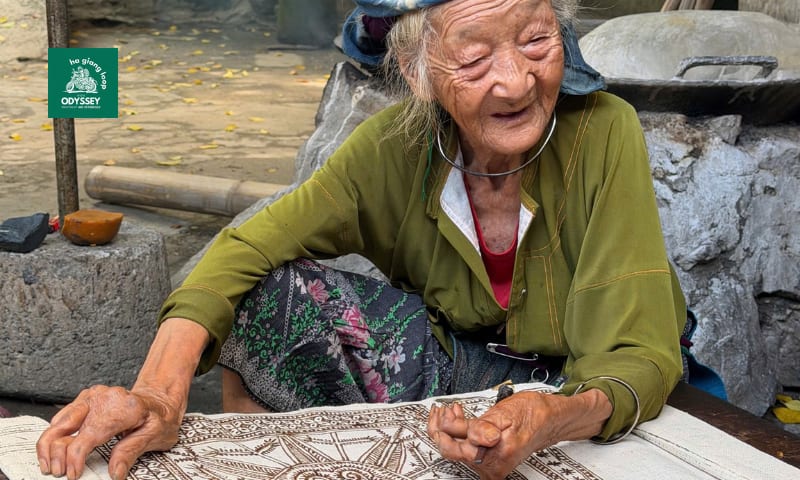
Slow travel gives you enough time to observe how people live and work within the landscape.
Sa Phin
Sa Phin adds another cultural element to the journey.
Instead of rushing directly toward Dong Van, the five-day format allows you to include cultural stops without sacrificing the scenic parts of the route.
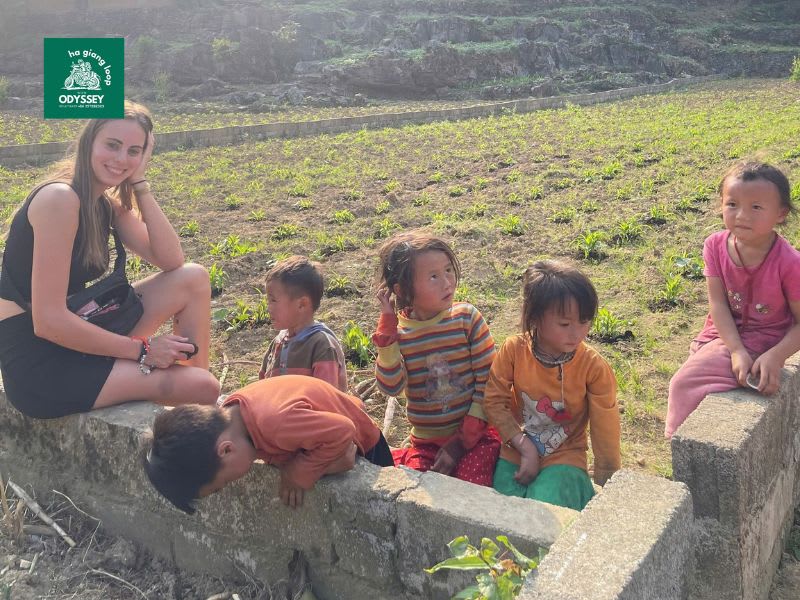
Photograph Villages Respectfully
Villages are communities, not photography sets.
When photographing people:
Observe first.
Ask permission when appropriate.
Avoid intrusive close-ups.
Respect anyone who does not want to be photographed.
Slower travel makes this easier because you are not trying to capture everything within a few minutes.
You can explore the Ha Giang Loop destinations worth slowing down for when deciding where you want to spend more time.
Finish the day in Dong Van.
Staying overnight here also gives you access to the town early the following morning.
Mountain roads and viewpoints between Ha Giang and Yen Minh
Day 3: Dong Van – Lung Cu – Lo Lo Chai – Dong Van
Day 3 is where a five-day itinerary begins to feel noticeably different from a shorter Loop.
Instead of immediately leaving Dong Van for Ma Pi Leng, dedicate more time to the northern section around Lung Cu.
Explore Dong Van Early
Early morning gives Dong Van a different atmosphere.
Before the day's traffic becomes busier, you may find:
Quiet streets.
Local breakfast activity.
Shops opening.
Softer morning light.
Fewer vehicles.
You do not need a professional camera to benefit from this.
Simply having time to walk around before departure can reveal details that are easy to miss on a tighter schedule.
Take the Northern Route Toward Lung Cu
Lung Cu is often treated as a side trip squeezed between other destinations.
With five days, it becomes a proper part of the journey.
The surrounding roads pass through:
Open mountain scenery.
Agricultural land.
Small villages.
Limestone ridges.
High-elevation viewpoints.
The landscape can change significantly with weather and season.
Spend Time Around Lo Lo Chai
The village environment around Lo Lo Chai offers another opportunity to slow down.
Instead of simply arriving, photographing and leaving, spend some time observing the setting.
This is particularly useful for travelers interested in:
Architecture.
Village landscapes.
Documentary photography.
Local details.
Use Weather Creatively
Mountain weather is not always a problem for photography.
Fog may hide distant peaks, but it can also create:
Stronger layers.
Atmospheric village scenes.
More dramatic roads.
Softer light.
A five-day itinerary gives you more flexibility to work with changing conditions rather than feeling that every viewpoint must be perfectly clear.
Day 4: Dong Van – Ma Pi Leng – Nho Que River – Meo Vac
Ma Pi Leng is one of the places where having additional time makes the greatest difference.
On a shorter itinerary, travelers may cross the pass, stop at one or two viewpoints and continue quickly toward the next destination.
Five days allows you to make Ma Pi Leng the main experience of the day.
Take Your Time Across Ma Pi Leng Pass
Leave Dong Van with enough time to stop at several locations.
The mountains and Nho Que River below can look completely different as:
Clouds move.
Sunlight reaches the canyon.
Fog lifts.
Shadows change across the cliffs.
There is little reason to rush through this section.
Photography Around the Pass
Ma Pi Leng offers several types of compositions.
Look for:
Road and cliff lines: The mountain road naturally leads the eye through the landscape.
Nho Que River views: Elevated points reveal the river far below.
Mountain layers: Haze and clouds can create depth.
Motorcycles in the landscape: Including people or vehicles can show the scale of the mountains.
Walking a short distance away from your bike can often produce a better angle than photographing everything from the roadside.
Spend Proper Time Around the Nho Que River
If conditions and your itinerary allow, include time closer to the Nho Que River.
A boat trip or river visit can take several hours when transfers and waiting time are included.
That is easier to accommodate when you are not also trying to cover a long distance afterward.
Finish Around Meo Vac
Instead of adding more destinations late in the day, finish around Meo Vac.
This keeps Ma Pi Leng and Nho Que as the focus rather than turning them into two quick stops within a long riding schedule.
Tham Ma Pass and karst landscapes on the way to Dong Van
Day 5: Meo Vac – Ha Giang
The final day is primarily about returning toward Ha Giang at a comfortable pace.
Depending on the route and road conditions, you may pass through quieter valleys and mountain sections on the way back.
This is not the day to force several additional attractions into the itinerary.
Start at a Comfortable Time
Begin reasonably early so you have enough daylight.
There is no need to rush, but leaving too late can create unnecessary pressure if road conditions change.
Keep Photography Stops Selective
By Day 5, you will already have seen many mountain viewpoints.
Instead of stopping everywhere, choose scenes that genuinely offer something different.
This can make the final day feel more focused.
Leave a Time Buffer
Mountain travel is unpredictable.
Your return can be affected by:
Fog.
Rain.
Roadworks.
Traffic.
Slow road sections.
Keep enough time between your expected arrival in Ha Giang and any onward transportation.
Do Not Race Back
The purpose of adding a fifth day is to reduce pressure.
Turning the final afternoon into a race back to Ha Giang defeats that purpose.
Arriving with time remaining is much more useful than reaching town only minutes before your next bus.
Why Photographers Benefit From a Five-Day Route
Photography in Ha Giang depends heavily on timing.
A famous viewpoint does not automatically produce a good image if you arrive when:
The light is flat.
The valley is completely covered by cloud.
The road is crowded.
You only have five minutes to stop.
Five days gives photographers more control.
Better Light Windows
The additional time creates more opportunities to photograph during:
Early morning.
Late afternoon.
Changing weather.
You are less dependent on whatever light happens to be available when you reach a viewpoint.
More Flexibility With Weather
Clouds may completely cover a mountain pass in the morning and disappear later.
On a rushed itinerary, you simply continue.
A slower journey gives you more room to adjust stops.
More Time Away From the Roadside
Some of the most obvious viewpoints are also the most photographed.
Walking even a short distance can give you:
Different foregrounds.
Cleaner compositions.
New perspectives.
Fewer people in the frame.
More Opportunities for Documentary Photography
Markets, villages and farming areas require patience.
You need time to:
Observe.
Understand what is happening.
Decide whether photography is appropriate.
Wait for natural moments.
This style of photography is much easier when you are not constantly trying to reach the next destination.
Lung Cu and village scenery on a slow Ha Giang journey
Photography Tips for the Ha Giang Loop
You do not need professional equipment to create memorable images.
Good timing and observation often matter more.
Photograph Early and Late
Morning and late-afternoon light can create:
Softer shadows.
More mountain depth.
Warmer colors.
Better atmosphere.
Include the Road
Ha Giang is as much about the journey as the destination.
Winding roads help show the scale and character of the landscape.
Add People for Scale
A motorcycle or traveler within a wide mountain scene can help communicate how large the landscape actually is.
Do Not Ignore Bad Weather
Cloud, fog and rain can create stronger photographs than a completely clear day.
Protect your equipment and look for atmospheric scenes.
Photograph Less, Observe More
The best way to use the extra day is not necessarily to take more photographs.
Spend more time looking before deciding what is worth photographing.
How to Plan Five Days Without Overloading the Route
The biggest planning mistake is assuming that an additional day must be filled with additional destinations.
That can create the same rushed itinerary over a larger geographical area.
Keep the Core Route Focused
Do not automatically add distant places simply because you have five days.
The extra time is often better used around the classic route.
Leave Space in the Schedule
A flexible morning or afternoon can become extremely useful when:
Weather changes.
You find a viewpoint worth staying at.
Someone needs extra rest.
Road conditions slow the journey.
Plan Around Daylight
Avoid scheduling long or unfamiliar mountain sections after dark.
Daylight gives you more time to react to road conditions and also provides better opportunities for sightseeing.
Choose Meaningful Stops
Three stops with enough time to experience them can be more rewarding than eight rushed stops.
This is especially true for photography.
Match the Riding Style to Your Experience
Ha Giang roads include:
Steep gradients.
Tight bends.
Changing surfaces.
Narrow sections.
If you are not comfortable riding independently in these conditions, another riding format can make a five-day journey considerably more relaxed.
Photography at Ma Pi Leng Pass and Nho Que River
4 Days vs 5 Days: What Changes?
A four-day itinerary can still cover the major highlights of the Loop.
For travelers with limited time, it remains a practical option.
The biggest difference with five days is not simply another overnight stay.
The extra day gives you:
More time around Dong Van.
More flexibility for Lung Cu.
Longer Ma Pi Leng stops.
Better photography windows.
Less pressure from weather delays.
More rest.
More freedom to stop spontaneously.
Four days works well when you want a balanced trip within a shorter schedule.
Five days is better suited to travelers whose priority is experiencing the route slowly.
Is a Five-Day Ha Giang Loop Right for You?
A Ha Giang Loop 5-day itinerary works particularly well when your priority is not simply completing the route.
Choose five days if you want:
Fewer deadlines.
Longer scenic stops.
More photography opportunities.
More time around Dong Van and Lung Cu.
A slower Ma Pi Leng day.
More flexibility with weather.
Less pressure to keep moving.
A shorter itinerary can still show you the major landscapes.
The difference is how much time you have to experience them.
For photographers and slow travelers, that extra time can be more valuable than adding more destinations.
The best itinerary is the one that matches the pace you genuinely want to travel.
Experience the Nho Que river boat Ha Giang loop tour through Tu San Canyon. Complete guide to ticket prices, boat wharfs, motorbiking routes, and tips!
Discover the best viewpoints and ride timing for a Ma Pi Leng Pass Ha Giang Loop tour, including Sky Path, Nho Que River, weather, ride duration and Easy Rider options.
Visit Lung Cu Flag Tower Ha Giang Loop: Vietnam’s northernmost point with panoramic views. Get essential travel tips, motorbiking routes, and ticket info!